
Seeing Flying Termites This Spring? How to Tell If It’s Termites or Flying Ants in NJ
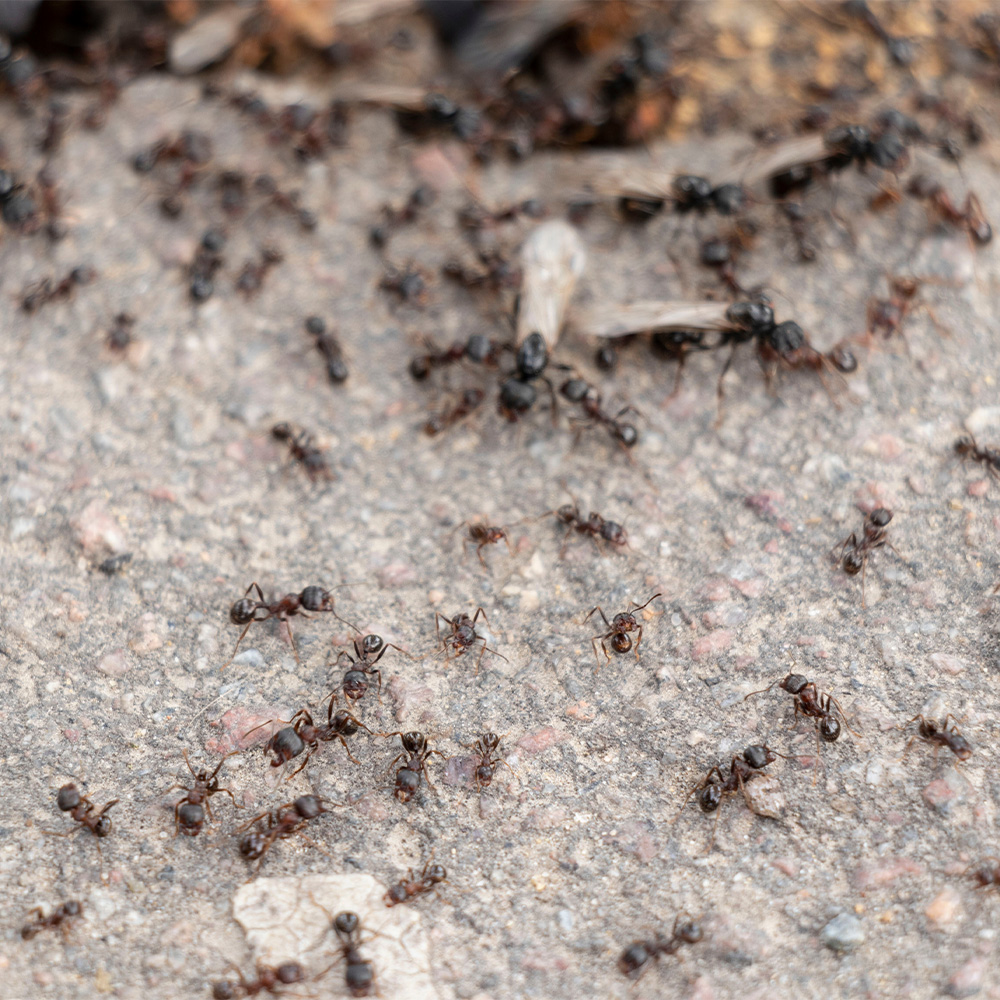
In late April, many homeowners in Monmouth and Ocean Counties start noticing flying insects near windows, doors, and lights, and around the exteriors of their homes. At first glance, many look like flying ants, and oftentimes, they are!
Flying ants become active during this time of year, especially after rainfall, and many enter a reproductive stage known as “alates” and grow wings, looking to start new nests. Swarms are typically short-lived and more of a nuisance than an actual threat.
This can be tricky because termites swarm under the same weather conditions as flying ants in New Jersey, and often at the same time. While flying ants are typically harmless, flying termites are often a warning sign of bigger problems in and around your home. Being able to tell the difference helps you identify whether you’re dealing with a normal seasonal occurrence or a possible issue for your property.
Spring weather is ideal for termites to swarm. Rainy days give way to warmth, and “swarmers” leave their colonies to start new ones. You might see them in late April or early May (watch for unhealthy shrubbery!). Seeing them indoors may mean a colony is just outside.
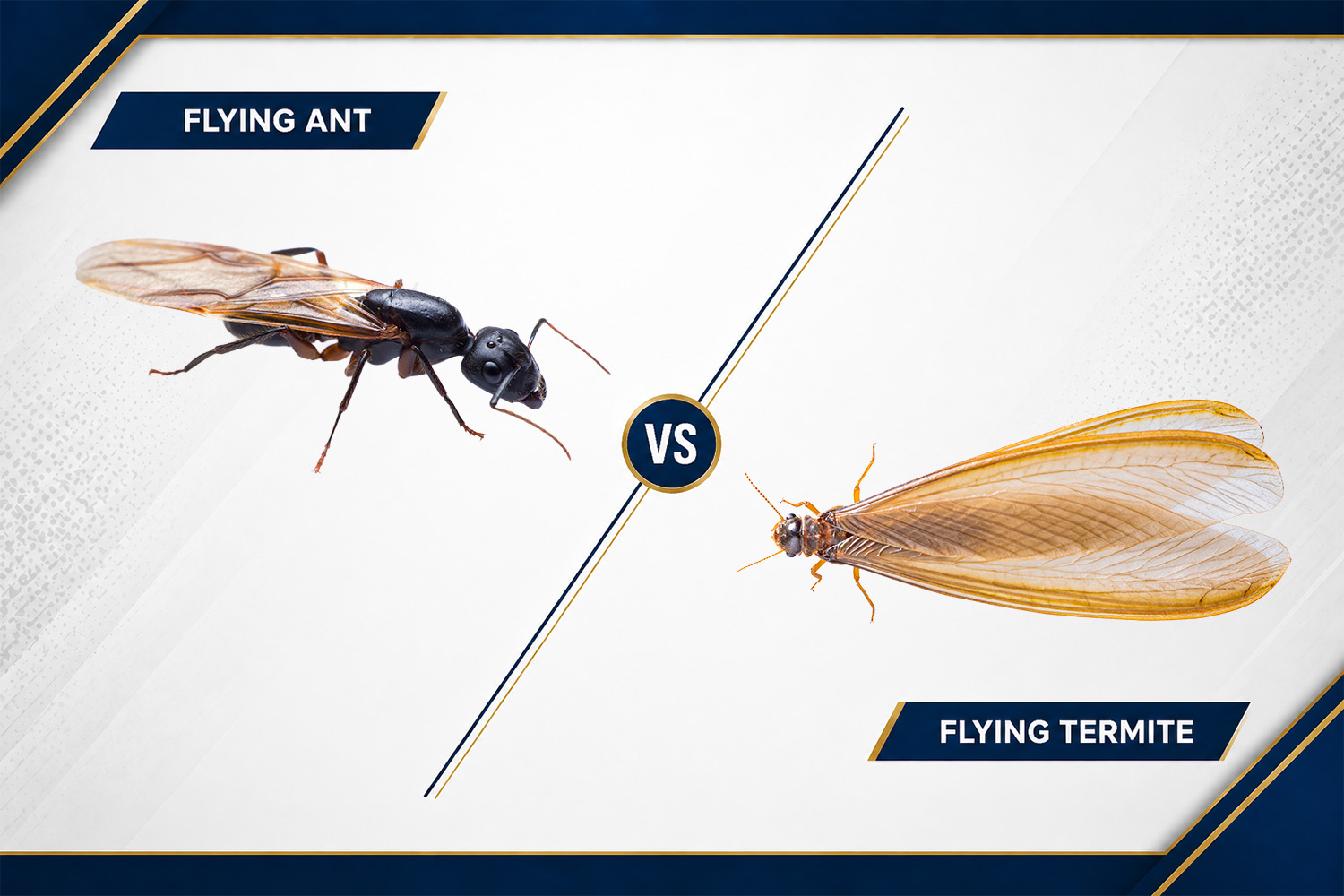
One challenge for homeowners is telling the two apart. Here are some tips to distinguish flying ants from termites:
Termites:
- Straight antennae
- Thick, more uniform body
- Two pairs of equal-sized wings
Flying Ants
- Bent antennae
- Narrow waist
- Front wings are longer than back wings
Small piles of discarded wings around windows, moldings, and floors may indicate that you have termites in your home. Seeing a termite swarm doesn’t mean they just arrived. It likely means a colony has been around long enough to produce reproductive termites looking to start new colonies. Swarms don’t last long, but the important issue is their source—are they nearby, or even behind your walls or along your foundation?
Even after a visible swarm is gone, here are a few things to look out for that can indicate termite activity:
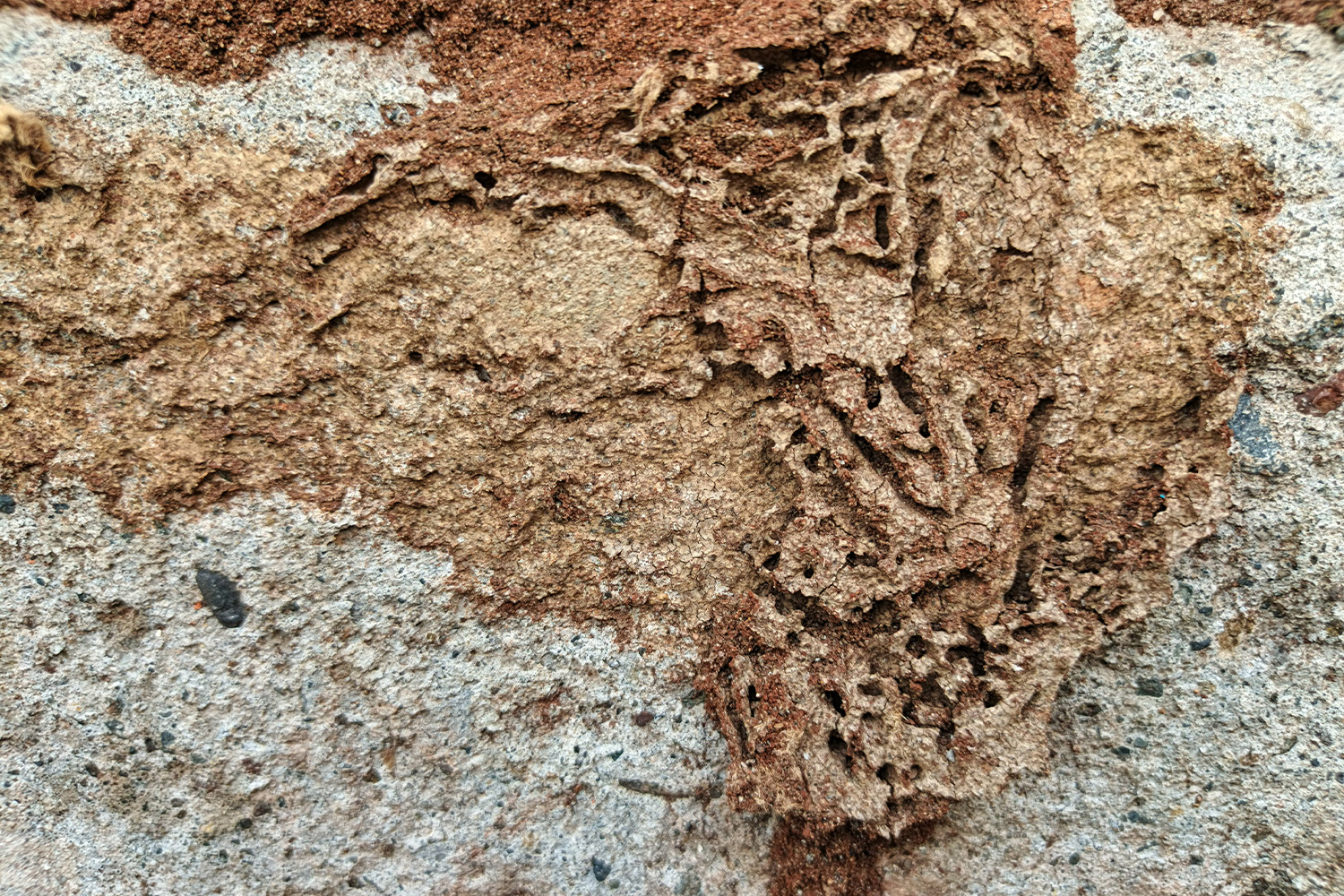
- Mud tubes along foundation walls or in crawl spaces
- Wood structures that sound hollow, not solid
- The paint looks bubbled or uneven
- Doors and windows are tighter than normal, or getting tighter
If you suspect termites are in your home, act quickly. Spraying visible termites with DIY kits or store-bought solutions may address what you see, but won’t eliminate the hidden colony. If you’ve already spotted swarmers, there may be a large presence in your home. To protect your home, have a licensed professional inspect it, identify any issues, and help prevent further damage.
In addition to routine inspections, here are some other ways to reduce termite risk to your home this spring:
- Keep moisture away from the foundation with proper drainage from gutters and downspouts
- Move mulch and wood piles (especially for fireplaces) away from the house
- Make sure all seals on entry points are secure
If you notice flying insects in your home and aren’t sure what they are, or if it’s been a while since your last termite inspection, don’t wait! Homes are often our largest investment. What seems like a small issue could warn of bigger, underlying problems. Contact us today for an expert inspection. We help homeowners across Monmouth and Ocean Counties spot and treat termite infestations early, saving you from much bigger problems later.